
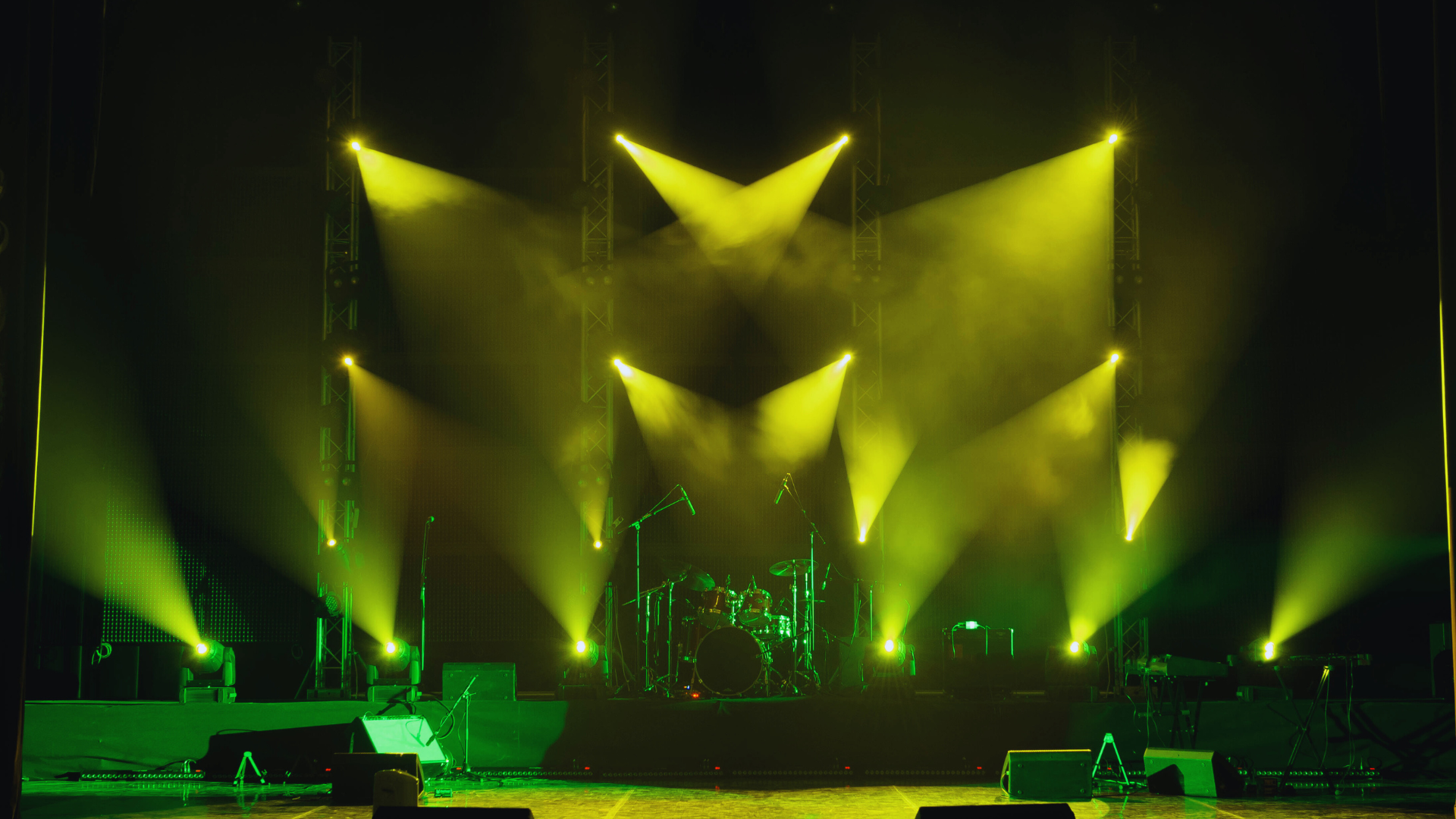
Lighting plays a critical role in shaping the atmosphere of rock concerts. It directs attention, sets the mood, and intensifies the emotional impact of the music. Effective lighting transforms the concert experience by visually amplifying the energy and emotion of the performance.
Through strategic use of color, movement, and intensity, lighting designers create a dynamic environment that matches the rhythm and style of the music. This interaction between light and sound heightens the audience’s engagement, making the event more immersive and memorable.
Rock concert lighting also helps to define different moments during a show, from high-energy climaxes to quieter interludes. Its ability to visually tell a story alongside the music is essential in enhancing the overall concert experience.
How Lighting Transforms the Rock Concert Experience
Lighting plays a crucial role in shaping the overall impact of rock concerts. It influences the audience’s emotions, engages their senses, and highlights the performers’ energy. Specific lighting techniques and effects create a dynamic atmosphere that can vary with each song or moment on stage.
Setting the Mood and Atmosphere
Concert lighting establishes the tone for each part of the show. Different colors and intensities communicate specific emotions: deep reds and purples create intensity, while blues and whites evoke calm or melancholy.
Lighting designers carefully choose patterns and transitions to match the music style and lyrics. For example, slow fades and soft glows suit ballads, while flashing strobes and sharp spotlights heighten aggressive or energetic songs. This control of mood helps the audience connect emotionally to the performance.
Creating Immersive Visual Effects
Immersive lighting uses layers of beams, shapes, and movements to surround the audience visually. Techniques like synchronized lights moving in rhythm with music, LED walls displaying patterns, and smoke-enhanced beams increase the sensory impact.
These effects make audience members feel part of the show, rather than just observers. Lighting can extend beyond the stage, reaching into the crowd with uplights or overhead rigs. This creates a unified, enveloping space that enhances perception of the live performance.
Amplifying the Energy of Live Performance
Lighting amplifies the band’s energy by emphasizing key moments. Quick changes, flashing lights, and color shifts reflect tempo changes, guitar solos, or drum hits.
Dynamic lighting cues highlight performers, drawing attention to solos or crowd interactions. Flashing strobes and fast-moving beams intensify excitement during climaxes. This coordination of light and music increases adrenaline and fan engagement, making the concert feel more powerful and immediate.
Fundamental Technologies in Modern Rock Concert Lighting
Modern rock concert lighting relies on several key technologies that control brightness, color, and movement. These systems work together to create intricate visual experiences that match the music’s rhythm and mood.
LED Lighting and Its Impact
LED lighting has transformed stage lighting by offering energy efficiency and vivid colors. LED lights can produce millions of shades and saturate the stage with crisp, bright hues. They run cooler and have longer lifespans compared to traditional bulbs, reducing maintenance and power costs.
LED panels and LED walls are widely used for backdrops, displaying visuals that sync with the performance. These screens provide high resolution and flexibility in design, allowing artists to customize the visual environment in real time. The ability to quickly change scenes enhances dynamic lighting possibilities.
Moving Head Lights and Dynamic Stage Effects
Moving head lights are intelligent lighting fixtures capable of rotating, tilting, and zooming, which adds fluid movement to the stage design. These lights often combine various colors and beam shapes, adapting instantly to the show’s flow.
They create dynamic effects by sweeping across the audience or spotlighting specific performers. Operators program them to react to music beats or lighting cues, enhancing atmosphere and energy. Their versatility makes them essential for creating immersive concert lighting.
Laser Shows and Projection Mapping
Laser shows employ highly focused beams of light that carve precise patterns and animations in the air or on surfaces. These beams are intense and can cover large areas, contributing sharp visuals that complement music dynamics.
Projection mapping projects images and videos onto irregular surfaces like stage props or buildings. It transforms ordinary objects into interactive visual displays, adding depth and thematic elements. Combining laser shows with projection mapping allows complex scenes to evolve fluidly during performances, engaging the audience visually.
The Art and Collaboration of Lighting Design
Lighting design in rock concerts involves precise planning and teamwork to amplify the show’s emotional and visual impact. This process depends on expert coordination between lighting designers, musicians, and technicians.
Role of Lighting Designers in Rock Shows
Lighting designers create the overall visual atmosphere by selecting colors, brightness levels, and types of equipment like spotlights and LED panels. They interpret the band’s style and music to form a cohesive lighting concept.
Their job includes mapping out lighting positions and programming fixtures before the show, ensuring each cue enhances the performance. Designers also adapt to live changes during concerts to maintain energy and engagement.
Effective lighting design combines technical skill with artistic sensibility, making the music visually compelling without overpowering the onstage action.
Synchronizing Lighting Cues with Music
Lighting cues are timed sequences that follow the music’s tempo, rhythm, and mood changes. This synchronization often uses pre-programmed software linked to the band’s setlist.
Precise timing requires collaboration between the lighting crew and musicians, especially during dynamic or improvised sections. This coordination enhances the audience’s sensory connection by visually emphasizing beats or instrumental solos.
For example, spotlights may sharply highlight a guitar solo while changing colors or intensity to match the song’s crescendos and fades, creating a seamless sense of unity.
Visual Storytelling Through Design Choices
Lighting design functions as a narrative tool, using colors, movement, and intensity to reflect song themes or emotions. Cool blues might evoke melancholy, while bold reds communicate excitement or aggression.
Designers consider the story behind each song to craft lighting sequences that complement the lyrics and sound. Moving lights and effects such as strobes or washes guide the audience’s focus and add dramatic layers.
By customizing lighting for different tracks, the design builds a visual arc that supports the setlist’s emotional flow, making the concert more immersive and memorable.
Innovation, Immersion, and Sustainability in Concert Lighting
Modern concert lighting blends advanced technology with eco-conscious design. It transforms live shows through interactive elements and efficient systems, creating deeper audience engagement and reducing environmental impact.
Augmented Reality and LED Wristbands for Audience Engagement
Augmented reality (AR) integrates digital images with physical stages, allowing fans to experience visuals that respond to the music or the performer’s movements. This technology adds layers of interaction that amplify the sensory effect beyond traditional lighting.
LED wristbands worn by attendees sync with the music and lighting cues, turning the crowd into a dynamic part of the show. These wristbands change colors and patterns, enhancing the sense of unity and immersion. Together, AR and LED wristbands create a two-way experience where the audience is not just watching but actively participating.
Energy Efficiency and Eco-Friendly Lighting Solutions
Energy efficiency is a major concern in large-scale concert lighting due to high power demands. LED lights offer a solution by using up to 75% less energy than conventional bulbs, lasting longer and generating less heat.
Besides LEDs, wireless control systems reduce power waste by targeting light precisely where needed. Solar-powered setups and recyclable materials are emerging trends that further reduce environmental impact. These innovations make concerts greener without sacrificing visual intensity or complexity.
Trends Shaping the Future of Concert Lighting
The future focuses on combining immersive lighting with smarter tech and sustainability. Adaptive lighting systems will automatically adjust based on crowd size and stage activity, optimizing energy use.
Hybrid setups featuring AR, laser projections, and responsive LED arrays are becoming common. Data-driven light shows tailored to real-time audience feedback will increase personalization. This shift aims to push the boundaries of experience while maintaining responsible energy consumption.
