Are you primed to plunge into a universe of icy allure, teeming with transformative advantages? Immersion in ice baths has become a modern-day wellness phenomenon, beguiling a range of audiences from high-performing athletes to Hollywood celebrities and dedicated health enthusiasts. What underpins the rationale behind this frigid indulgence? How can diving into an icy abyss provide significant benefits to your body?
In this extensive blog post, we’re going to unpack the enigmatic secrets of enjoying an ice bath with breathwork, and delve into the astounding methods through which they can foster physical recuperation, augment mental health, and awaken an unprecedented vitality. So, clutch your towels and brace yourself for a thrilling expedition into the absorbing scientific rationale behind these shiver-inducing marvels.
The Beneficial Aspect of Ice Baths
There are many benefits derived from immersing in ice baths, notable ones being the reduction of inflammation, the enhancement of circulation, and the alleviation of muscle soreness.
Inflammation is an inherent protective response of the body against harm or infection. However, it can escalate into a predicament when it persists or becomes chronic. An Ice Bath tends to serve as a handy tool in curtailing inflammation. They cause vasoconstriction or narrowing of blood vessels, thereby mitigating swelling.
In addition, circulation entails the movement of blood throughout the body. Impaired circulation could manifest in symptoms like cold extremities, fatigue, and varicose veins. Ice baths can invigorate circulation by stimulating the flow of blood.
Muscle soreness can be a recurring issue for athletes and routine exercisers. Ice baths play a pivotal role in soothing muscle discomfort by numbing the nerves and suppressing inflammation.
Guidelines for Safe Ice Bathing
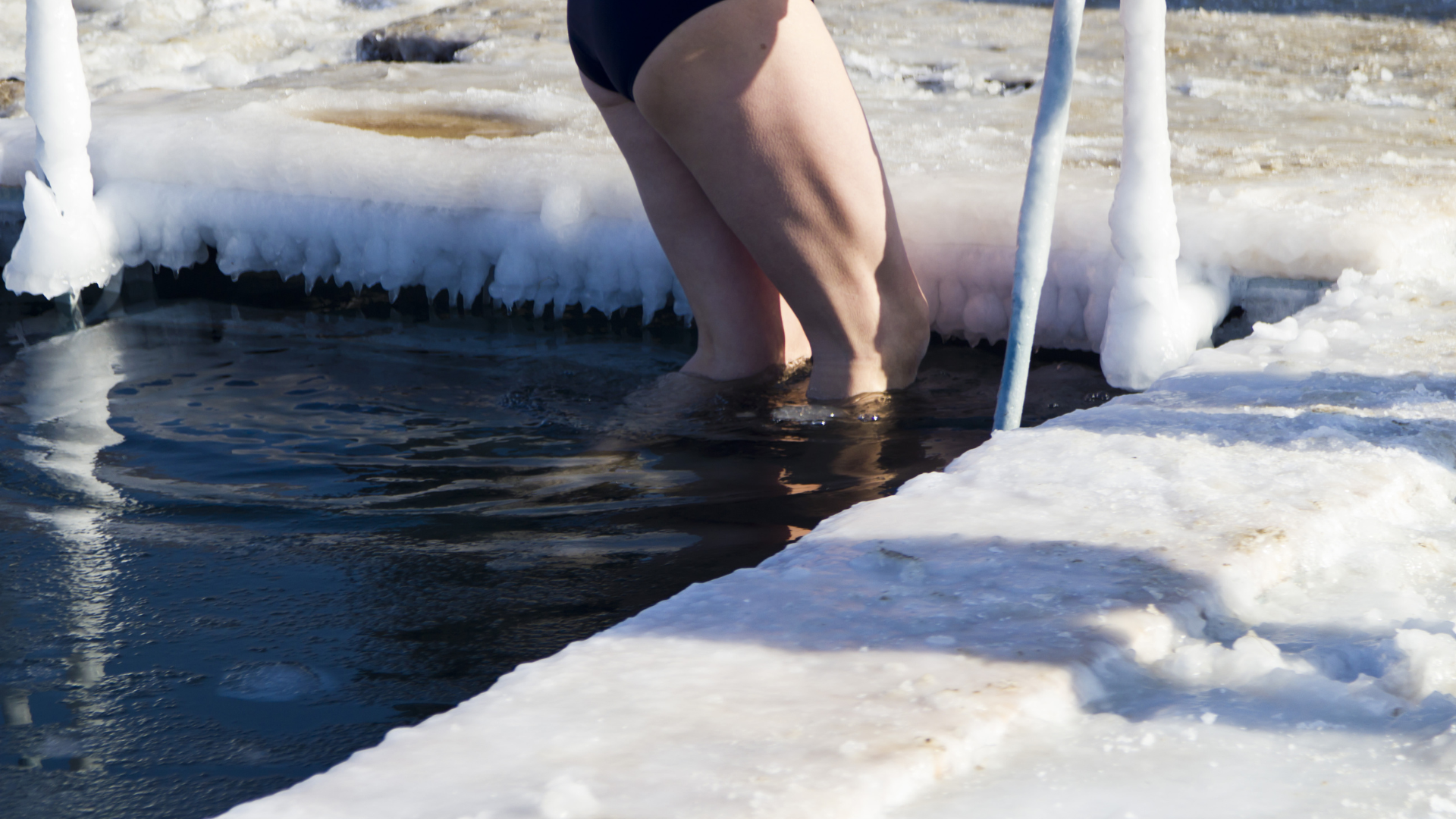
If you’re contemplating indulging in an ice bath, it’s crucial to adhere to certain safety measures. Initially, you should fill your tub with cold water and ice cubes, then slowly immerse yourself. The gradual entry is key, allowing your body sufficient time to acclimate to the frigid temperatures. Once settled in the cold plunge tub, remain stationary for around 10-15 minutes. The initial shock of cold might be overpowering but give it time, and your body will start to adapt, resulting in muscle relaxation. If at any point the cold becomes unbearable or induces discomfort, promptly exit the bath and slowly warm up.
Ice baths can be an excellent strategy for inflammation reduction and expediting muscle recovery post strenuous exertion. However, ensure safety precautions are observed to avoid exacerbating any pre-existing soreness!
Understanding Post-Ice Bath Recovery
When you plunge into an ice bath, your body reacts by constricting blood vessels swiftly and ramping up blood flow to your crucial organs. This physiological phenomenon, known as vasoconstriction, aids your body in maintaining a stable core temperature.
After several minutes in the cold water, your body begins to rewarm and experiences vasodilation. This refers to the expansion or dilation of your blood vessels, which allows for increased blood flow to your muscles. This augmented blood circulation assists in removing metabolic waste products from your muscles, hence accelerating recovery post intense workout.
Ice baths are believed to aid in reducing inflammation and tissue damage. Some studies have demonstrated that cold water immersion can lower certain inflammatory markers in the blood. Other research shows that cold water therapy can decrease muscle soreness and stiffness post-exercise.
For readers in the Edmonton area who want to experience cold immersion as part of a broader heat-cold-rest routine, Sole Nordic Wellness in Edmonton offers a private Nordic circuit from its Leduc location that includes a cold plunge alongside sauna and rest periods.
Exploring Ice Bath Alternatives
If you’re not ready to jump into a bath of ice, maybe an alternative would be best for you.
Cold showers: Akin to ice baths in effect, but generally less intense and therefore more tolerable.
Ice packs: These can be applied directly to the inflamed or painful areas of the body to reduce inflammation and discomfort.
Cryotherapy: A more intense therapy that involves exposure to extremely low temperatures for a brief period. While not typically tolerable for most, it’s proven effective for pain and inflammation reduction
Cold water immersion: This involves submerging in cold water, typically in a pool, lake, or ocean, for a set period, resulting in a similar, albeit less intense, experience as an ice bath.
Whole body cryotherapy: This resembles cryotherapy but encompasses the entire body, exposing it to extremely low temperatures for a brief period.
Massage Therapy: Massage therapy works to release tightness and improve circulation, which can help reduce soreness and improve flexibility. Incorporating regular Massage Therapy in St. Augustine, FL or in your area, can be an effective alternative for muscle recovery and tension relief.
Conclusion
Ice baths, despite having been around for centuries, have gained recent popularity among athletes and wellness enthusiasts. The scientific understanding of ice baths is still evolving, but current research suggests they provide numerous benefits, including reduction in muscle soreness, improved blood circulation, decreased inflammation, and bolstered immune function. Whether you’re an athlete seeking injury prevention or someone desiring enhanced recovery post a tough workout session, integrating an ice bath into your regimen could be precisely what you need!