
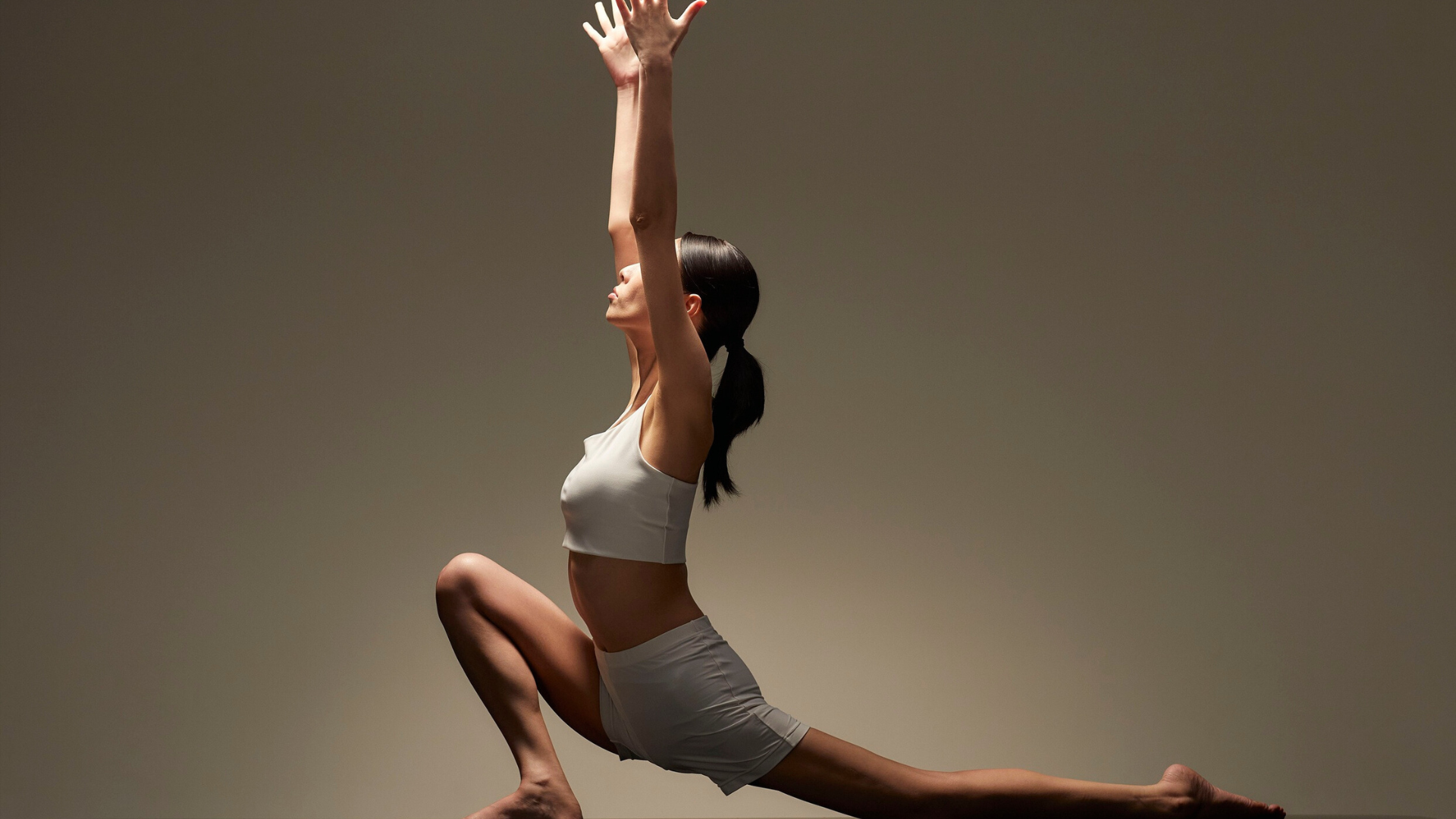
Balancing fitness and flexibility is crucial for maintaining overall physical health and preventing injury. Many focus on strength or endurance but neglect flexibility, which can limit movement and recovery. The key to balancing fitness and flexibility is to integrate stretching and mobility exercises into regular workout routines.
This approach helps improve the range of motion while supporting strength and cardiovascular health. It ensures that muscles remain agile and resilient, reducing stiffness and enhancing performance in daily activities and sports.
By prioritising both aspects, individuals can achieve a more functional and sustainable fitness level. Understanding how to combine these elements effectively is essential for long-term well-being.
Understanding the Importance of Fitness and Flexibility
Balancing fitness and flexibility involves recognising how each element contributes to movement efficiency and injury prevention. Both components enhance physical capabilities but serve distinct roles related to muscle performance and joint health.
Key Benefits for Overall Wellbeing
Fitness improves cardiovascular health, muscle strength, and endurance. It supports daily activities by increasing stamina and reducing fatigue.
Flexibility increases the range of motion in joints, helping muscles move freely without strain. This reduces muscle soreness after exercise and aids recovery.
Together, fitness and flexibility enhance posture, coordination, and energy levels. They promote physical independence, especially with advancing age, supporting overall health and longevity.
How Flexibility Supports Balance
Flexibility strengthens muscles around joints, improving stability during movement. Increased range of motion allows for smoother, more controlled shifts in body position.
This improved joint mobility aids in maintaining balance, particularly in activities requiring quick adjustments, like sports or walking on uneven surfaces.
Regular flexibility exercises complement strength training by reducing stiffness and enhancing neuromuscular control. This balance reduces falls and supports functional movement.
Risks of Neglecting Flexibility
Ignoring flexibility can lead to muscle tightness, limiting range of motion and causing poor posture. This increases the chance of strains and joint pain during physical activity.
Muscle stiffness may cause uneven stress on the body, raising the risk of injury, including ligament sprains and tendonitis.
Lack of flexibility can also increase muscle soreness after exercise and slow recovery, reducing overall fitness progress and daily functional abilities.
Building a Balanced Fitness and Flexibility Routine
A successful routine requires clear targets and an understanding of one’s current abilities. Flexibility must blend seamlessly with strength and endurance exercises for a well-rounded fitness journey. Consistent progression and introducing variety prevent plateaus and enhance coordination.
Setting Goals and Assessing Your Fitness Level
Effective routines begin with specific, measurable goals such as improving endurance or increasing muscle strength. Assessing fitness level involves evaluating cardiovascular health, muscle strength, and current flexibility through basic tests or professional advice.
Tracking progress in a workout plan helps identify strengths and weaknesses. For example, if flexibility limits mobility, adapting the routine to include targeted stretching is essential. Setting realistic timelines ensures motivation and prevents injury. Goals should be revisited periodically as fitness improves.
Integrating Flexibility Into Your Fitness Plan
Flexibility exercises should be scheduled regularly in the workout plan, ideally after warm-ups or as part of the cool-down. Dynamic stretches before workouts prepare muscles and joints, enhancing coordination and range of motion.
Static stretching after exercise aids recovery and prevents stiffness. Including yoga or Pilates classes can improve flexibility while supporting overall strength. A balance between cardio, strength training, and flexibility activities ensures the body functions optimally without overemphasising one aspect.
Importance of Progression and Variety
Adjusting intensity and variations in exercises is vital for continued improvement in both fitness and flexibility. Gradually increasing workout duration or stretch depth can avoid plateaus. A variety of activities, such as resistance training, aerobic sessions, and mobility drills, challenge different muscle groups and movement patterns.
Incorporating coordination drills also supports smoother, more efficient movements. Periodisation—alternating focus areas between sessions or weeks—helps maintain engagement and reduces injury risk. Progress should be monitored regularly to ensure the plan evolves with the individual’s development.
Key Fitness and Flexibility Techniques
Balancing fitness and flexibility requires a mix of targeted movements and consistent routines. Combining mobility drills with strength and cardiovascular work helps maintain overall physical health and reduces injury risks.
Dynamic Stretching for Mobility
Dynamic stretching involves active movements that take joints and muscles through their full range of motion. Exercises like leg swings and arm circles increase blood flow and prepare the body for exercise.
They are ideal as a warm-up because they improve mobility without causing muscle fatigue. Dynamic stretching routines focus on controlled, smooth motions that mimic the activity to follow, enhancing performance.
This type of stretching helps maintain joint health by increasing synovial fluid production. It also improves coordination and balance, making it essential in any comprehensive fitness plan.
Static Stretching for Long-Term Flexibility
Static stretching involves holding a stretch for a set period, usually 20-60 seconds. Unlike dynamic stretching, it aims to lengthen muscles and improve flexibility over time.
Performing static stretches after exercise helps reduce muscle stiffness and supports recovery. Common stretches target hamstrings, calves, and shoulders.
Consistency is key for static stretching to improve the range of motion effectively. It should be pain-free and done gradually to avoid injury during flexibility exercises or everyday movement.
Yoga, Pilates, and Tai Chi for Flexibility and Balance
Yoga, Pilates, and Tai Chi combine flexibility exercises with balance and strength components. Each focuses on controlled breathing, movement precision, and mindfulness.
Yoga emphasises deep stretching and muscular endurance, improving flexibility while enhancing posture. Pilates centres on core strength and alignment, aiding in balance and muscle control.
Tai Chi uses slow, flowing movements to improve joint mobility and stability. All three disciplines promote a holistic approach to fitness by integrating flexibility, balance, and mental focus.
Strength and Cardio for Holistic Improvement
Strength training complements flexibility by building muscle support around joints, reducing injury risk. Exercises focusing on legs, back, and core are critical for balance and stability.
Cardio workouts improve circulatory health and endurance, which supports sustained movement during flexibility routines. Activities like running, cycling, or swimming help maintain a healthy weight and muscle function.
Integrating strength and cardio with flexibility exercises creates a balanced fitness regimen that promotes overall well-being. Each component serves a distinct role in maintaining mobility and functional fitness.
Maximising Results and Maintaining Progress
Balancing fitness and flexibility requires a strategic approach to recovery, hydration, and routine consistency. Each factor impacts how well the body adapts and sustains improvements over time.
Optimising Muscle Recovery and Reducing Soreness
Muscle recovery is key to progressing without injury. After workouts, muscles need time and proper care to repair damaged fibres. Incorporating active recovery, such as light stretching or low-intensity cardio, can accelerate this process.
Sleep also plays a vital role in muscle repair, as growth hormone is released during deep sleep phases. Foam rolling and gentle massages improve circulation and help reduce muscle soreness by removing metabolic waste.
Avoiding overtraining and giving muscles at least 48 hours before stressing the same group again prevents chronic soreness. Using contrast baths — alternating cold and warm water — can further ease inflammation and improve recovery speed.
Effective Hydration and Blood Flow
Hydration significantly influences muscle function and flexibility. Drinking water before, during, and after exercise maintains blood volume and nutrient transport to muscles.
Proper blood flow boosts oxygen delivery, waste removal, and nutrient distribution. Regular stretching combined with hydration enhances capillary function. Warm-up exercises increase circulation, reducing stiffness and injury risk.
Electrolyte balance is essential, especially after sweat-heavy sessions. Including sodium, potassium, and magnesium through diet or supplements supports muscle contractions and reduces cramping.
Tips for Consistency and Longevity
Maintaining a balanced routine prevents burnout and helps sustain progress. Setting realistic, measurable goals keeps motivation focused and tangible.
Consistency is boosted by varying activities to target different muscle groups and avoid plateaus. Scheduling workouts and flexibility sessions at regular times creates a habit and reduces skip chances.
Tracking progress with a journal or app highlights improvements and areas needing attention. Incorporating rest days prevents fatigue and supports longevity in fitness and flexibility efforts.
Adopting a mindset of gradual improvement rather than quick fixes fosters long-term adherence.